We would like to Welcome Dr. Robert Weber to our practice at 491 Allendale Road, Suite 300, King of Prussia, PA.

When a Stubbed Toe Is More Than a Bump

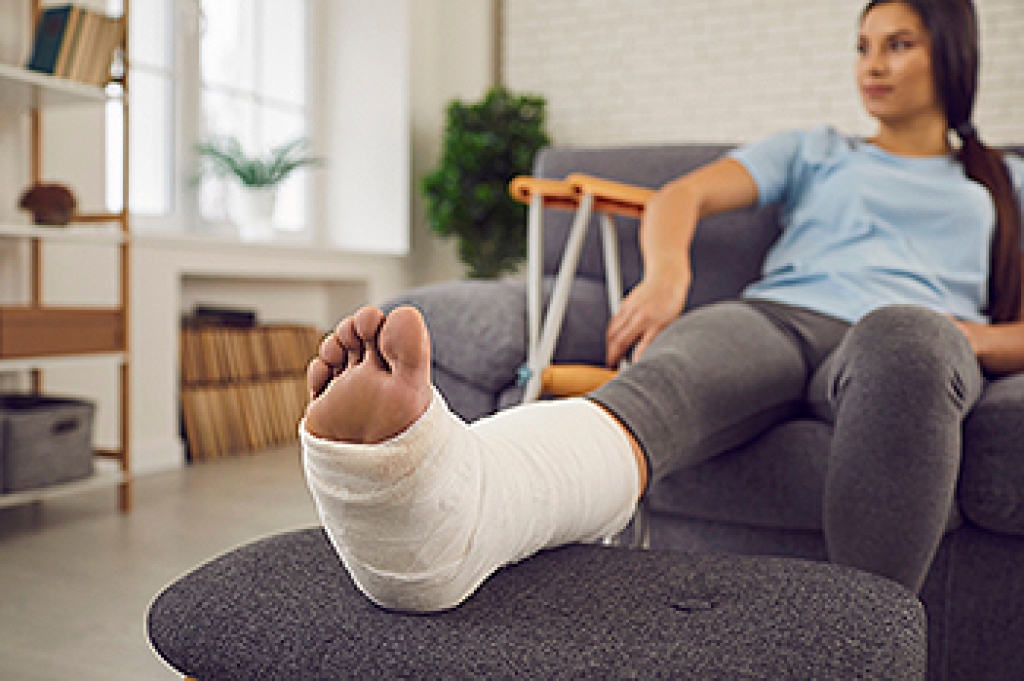
A serious stubbed toe can cause more than brief pain especially when the impact is forceful or awkward. Common causes include running into furniture, sports injuries, or falls. Symptoms may involve sharp pain, swelling, bruising, and difficulty moving the toe. The toe may look red, crooked, or enlarged and it can feel tender or unstable when walking. A podiatrist can help by starting with a careful examination and imaging such as X-rays to determine whether the injury is a sprain or a fracture. Early treatment may include protection taping or immobilization, followed by gradual return to activity. More severe injuries may require specialized care to ensure proper healing and alignment. Ignoring symptoms can delay recovery and increase long-term joint stiffness. If you have a serious stubbed toe that could be broken or sprained, it is suggested that you make an appointment with a podiatrist.

Toe pain can disrupt your daily activities. If you have any concerns, contact one of our podiatrists of North Penn Podiatry. Our doctors can provide the care you need to keep you pain-free and on your feet.

What Causes Toe Pain?

Most severe toe pain is caused due to a sports injury, trauma from dropping something heavy on the toe, or bumping into something rigid. Other problems can develop over time for various reasons.

Toe pain can be caused by one or more ailments. The most common include:

  • Trauma
  • Sports injury
  • Wearing shoes that are too tight
  • Arthritis
  • Gout
  • Corns and calluses
  • Hammertoe
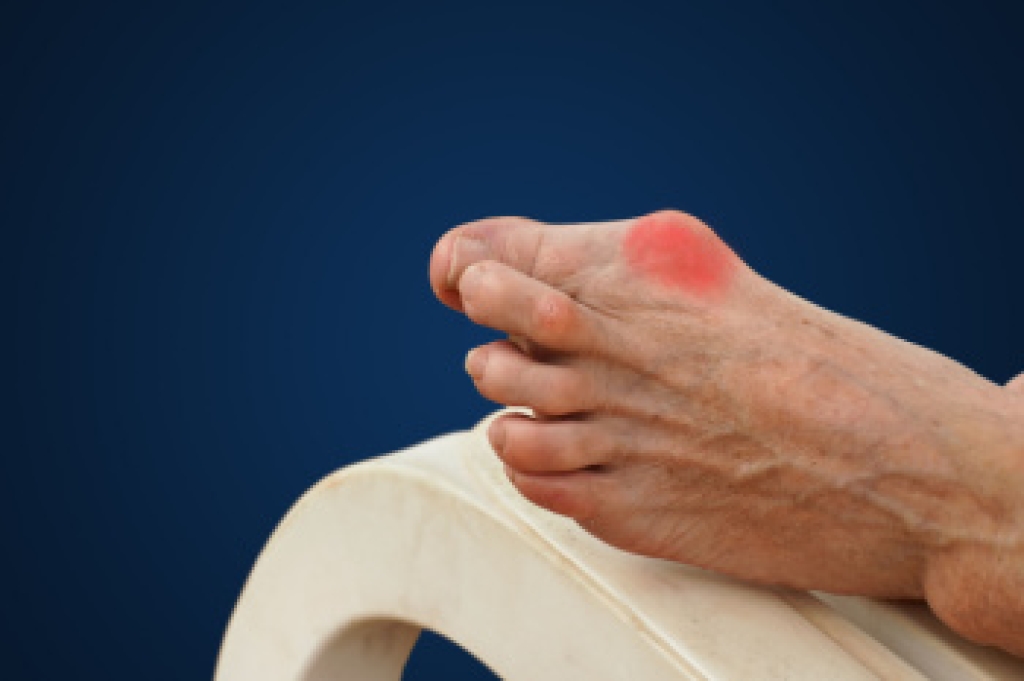
  • Bunions
  • Blisters
  • Ingrown toenails
  • Sprains
  • Fractures (broken bones)
  • Dislocations

When to See a Podiatrist

  • Severe pain
  • Persistent pain that lasts more than a week
  • Signs of infection
  • Continued swelling
  • Pain that prevents walking

Diagnosis

In many cases the cause of toe pain is obvious, but in others, a podiatrist may want to use more advanced methods to determine the problem. These can range from simple visual inspections and sensation tests to X-rays and MRI scans. Prior medical history, family medical history, and any recent physical traumatic events will all be taken into consideration for a proper diagnosis.

Treatment

Treatments for toe pain and injuries vary and may include shoe inserts, padding, taping, medicines, injections, and in some cases, surgery. If you believe that you have broken a toe, please see a podiatrist as soon as possible.

If you have any questions please contact our offices located in Lansdale, and King of Prussia, PA . We offer the newest diagnostic and treatment technologies for all your foot and ankle needs.

Read more about Toe Pain

Understanding Sever’s Disease in Growing Children

Sever’s disease, a common cause of heel pain in children, occurs when the growth plate at the back of the heel becomes irritated during development. It most often affects active children and adolescents who participate in running and jumping activities. Risk factors include rapid growth, tight calf muscles, flat feet, high arches, and sports that place repeated stress on the heel. Symptoms include heel pain during activity, limping, tenderness when the heel is squeezed, and stiffness after exercise. A podiatrist can evaluate the feet, recommend activity changes, provide heel support, and guide stretching routines that reduce discomfort. If your active child has heel pain, it is suggested that you schedule a visit with a podiatrist who can accurately diagnose and offer relief solutions for Sever’s disease.

Sever's disease often occurs in children and teens. If your child is experiencing foot or ankle pain, see one of our podiatrists from North Penn Podiatry. Our doctors can treat your child’s foot and ankle needs.

Sever’s Disease

Sever’s disease is also known as calcaneal apophysitis, which is a medical condition that causes heel pain I none or both feet. The disease is known to affect children between the ages of 8 and 14.

Sever’s disease occurs when part of the child’s heel known as the growth plate (calcaneal epiphysis) is attached to the Achilles tendon. This area can suffer injury when the muscles and tendons of the growing foot do not keep pace with bone growth. Therefore, the constant pain which one experiences at the back of the heel will make the child unable to put any weight on the heel. The child is then forced to walk on their toes.

Symptoms

Acute pain – Pain associated with Sever’s disease is usually felt in the heel when the child engages in physical activity such as walking, jumping and or running.

Highly active – Children who are very active are among the most susceptible in experiencing Sever’s disease, because of the stress and tension placed on their feet.

If you have any questions, please feel free to contact our offices located in Lansdale, and King of Prussia, PA . We offer the newest diagnostic and treatment technologies for all your foot care needs.

Read more about Sever's Disease

Pressure Points and Protective Skin

Corns and callouses both develop as the skin responds to repeated friction or pressure, yet they differ in important ways. Corns are small, round areas of thickened skin with a hard center, often forming on toes where shoes rub. Callouses are broader, flatter patches that appear on weight-bearing areas like heels or balls of the feet. Corns may look raised and feel sharp or burning, whereas calluses tend to look yellowish and do not generally cause pain. Common causes include ill-fitting footwear, foot structure, and walking patterns. A podiatrist begins with a thorough examination to confirm the diagnosis and rule out warts or infection. Treatment options include safe and sterile removal of the corn, custom padding or orthotics, and recommended footwear changes to reduce pressure. Early care can prevent worsening pain and complications. If you have painful corns, it is suggested that you make an appointment with a podiatrist.

Corns can make walking very painful and should be treated immediately. If you have questions regarding your feet and ankles, contact one of our podiatrists of North Penn Podiatry. Our doctors will treat your foot and ankle needs.

Corns: What Are They? And How Do You Get Rid of Them?
Corns are thickened areas on the skin that can become painful. They are caused by excessive pressure and friction on the skin. Corns press into the deeper layers of the skin and are usually round in shape.

Ways to Prevent Corns
There are many ways to get rid of painful corns such as:

  • Wearing properly fitting shoes that have been measured by a professional
  • Wearing shoes that are not sharply pointed or have high heels
  • Wearing only shoes that offer support

Treating Corns

Although most corns slowly disappear when the friction or pressure stops, this isn’t always the case. Consult with your podiatrist to determine the best treatment option for your case of corns.

If you have any questions, please feel free to contact our offices located in Lansdale, and King of Prussia, PA . We offer the newest diagnostic and treatment technologies for all your foot care needs.

Read more about Corns: What Are They, and How Do You Get Rid of Them

Do You Suffer From Painful Feet?

Painful deformities, such as hammertoes, can be treated. Stop living with foot pain, and have beautiful feet again!

Flat Feet and Treatment Options

Flat feet occur when the arches collapse and the entire sole touches the ground, which can lead to pain, fatigue, and changes in walking mechanics. Some individuals benefit from surgery when conservative care is not enough. Surgical correction can improve alignment and reduce chronic pain, but it also requires recovery time and carries risks such as stiffness or incomplete relief. A podiatrist can evaluate your feet, recommend orthotics and supportive footwear, and discuss whether surgery is an appropriate option for your condition. Taking action early can prevent long-term problems. If you have discomfort from flat feet, it is suggested that you are under the care of a podiatrist who can discuss viable treatment options with you, which may include surgery to restore comfort and mobility.

Foot surgery is sometimes necessary to treat a foot ailment. To learn more, contact one of our podiatrists of North Penn Podiatry. Our doctors will assist you with all of your foot and ankle needs.

When Is Surgery Necessary?

Foot and ankle surgery is generally reserved for cases in which less invasive, conservative procedures have failed to alleviate the problem. Some of the cases in which surgery may be necessary include:

  • Removing foot deformities like bunions and bone spurs
  • Severe arthritis that has caused bone issues
  • Cosmetic reconstruction

What Types of Surgery Are There?

The type of surgery you receive will depend on the nature of the problem you have. Some of the possible surgeries include:

  • Bunionectomy for painful bunions
  • Surgical fusion for realignment of bones
  • Neuropathy decompression surgery to treat nerve damage

Benefits of Surgery

Although surgery is usually a last resort, it can provide more complete pain relief compared to non-surgical methods and may allow you to finally resume full activity.

Surgical techniques have also become increasingly sophisticated. Techniques like endoscopic surgery allow for smaller incisions and faster recovery times.

If you have any questions, please feel free to contact our offices located in Lansdale, and King of Prussia, PA . We offer the newest diagnostic and treatment technologies for all your foot care needs.

Read more about Foot and Ankle Surgery

Connect With Us