Blog
Important Facts About Bunions

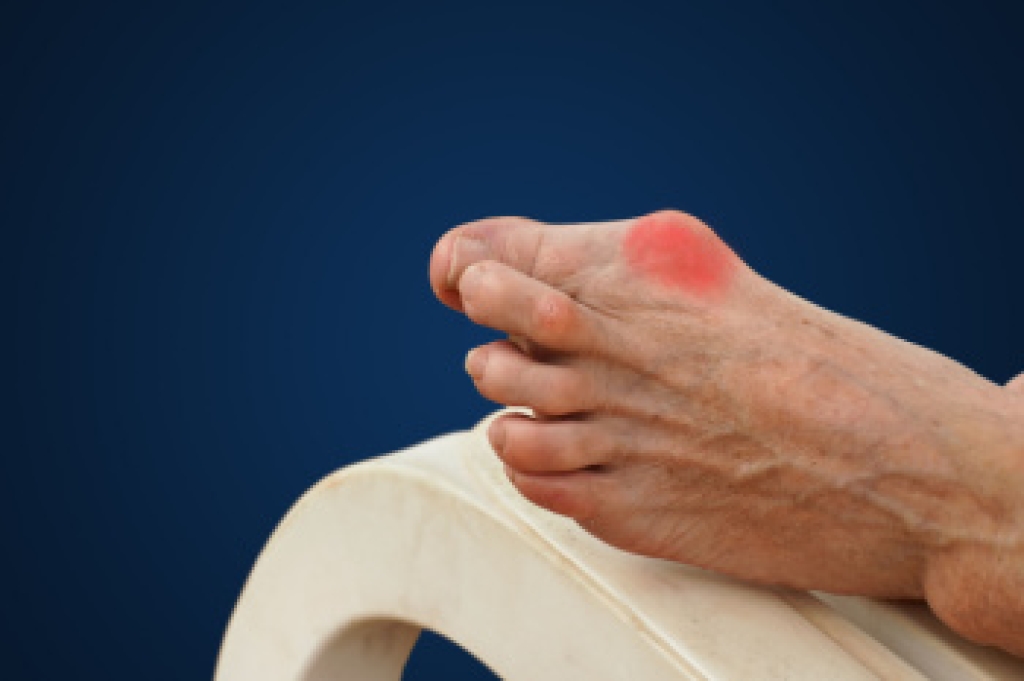
A bunion is a bony enlargement that forms at the base of the big toe when the joint becomes misaligned and shifts outward. This structural change occurs as the tip of the big toe angles toward the other toes. Common symptoms include pain, tenderness, and red, hot, swollen skin over the affected joint. Bunions may develop from inherited foot structure, wearing improper footwear, repetitive stress, or underlying conditions that affect joint stability. Risk factors include family history, flat feet, and working in occupations that place pressure on the forefoot. A podiatrist can evaluate the deformity and recommend personalized treatment options. If you have developed a bunion that is causing pain or discomfort, it is suggested that you consult a podiatrist who can offer effective relief and management tips.
If you are suffering from bunion pain, contact one of our podiatrists of North Penn Podiatry. Our doctors can provide the care you need to keep you pain-free and on your feet.
What Is a Bunion?
Bunions are painful bony bumps that usually develop on the inside of the foot at the joint of the big toe. As the deformity increases over time, it may become painful to walk and wear shoes. Women are more likely to exacerbate existing bunions since they often wear tight, narrow shoes that shift their toes together. Bunion pain can be relieved by wearing wider shoes with enough room for the toes.
Causes
- Genetics – some people inherit feet that are more prone to bunion development
- Inflammatory Conditions - rheumatoid arthritis and polio may cause bunion development
Symptoms
- Redness and inflammation
- Pain and tenderness
- Callus or corns on the bump
- Restricted motion in the big toe
In order to diagnose your bunion, your podiatrist may ask about your medical history, symptoms, and general health. Your doctor might also order an x-ray to take a closer look at your feet. Nonsurgical treatment options include orthotics, padding, icing, changes in footwear, and medication. If nonsurgical treatments don’t alleviate your bunion pain, surgery may be necessary.
If you have any questions, please feel free to contact our offices located in Lansdale, and King of Prussia, PA . We offer the newest diagnostic and treatment technologies for all your foot care needs.
Sesamoiditis and Pain Relief

Sesamoiditis is a painful condition involving irritation and inflammation of the tendons surrounding the sesamoid bones. These are small bones located beneath the big toe joint that help absorb weight and assist with movement when walking and running. The condition develops from repetitive stress, overuse, or excessive pressure on the ball of the foot. Symptoms often include aching pain beneath the big toe, swelling, bruising, and discomfort that worsens with activity. Activities that place repeated strain on the forefoot, such as ballet dancing and sports, are more likely to cause this condition. A podiatrist can provide an accurate diagnosis, offloading strategies, and customized treatment. If you have pain in this part of your foot, it is suggested that you consult a podiatrist who can accurately diagnose and treat what may be going on.
Sesamoiditis is an unpleasant foot condition characterized by pain in the balls of the feet. If you think you’re struggling with sesamoiditis, contact one of our podiatrists of North Penn Podiatry. Our doctors will treat your condition thoroughly and effectively.
Sesamoiditis
Sesamoiditis is a condition of the foot that affects the ball of the foot. It is more common in younger people than it is in older people. It can also occur with people who have begun a new exercise program, since their bodies are adjusting to the new physical regimen. Pain may also be caused by the inflammation of tendons surrounding the bones. It is important to seek treatment in its early stages because if you ignore the pain, this condition can lead to more serious problems such as severe irritation and bone fractures.
Causes of Sesamoiditis
- Sudden increase in activity
- Increase in physically strenuous movement without a proper warm up or build up
- Foot structure: those who have smaller, bonier feet or those with a high arch may be more susceptible
Treatment for sesamoiditis is non-invasive and simple. Doctors may recommend a strict rest period where the patient forgoes most physical activity. This will help give the patient time to heal their feet through limited activity. For serious cases, it is best to speak with your doctor to determine a treatment option that will help your specific needs.
If you have any questions, please feel free to contact our offices located in Lansdale, and King of Prussia, PA . We offer the newest diagnostic and treatment technologies for all your foot care needs.
When a Stubbed Toe Is More Than a Bump

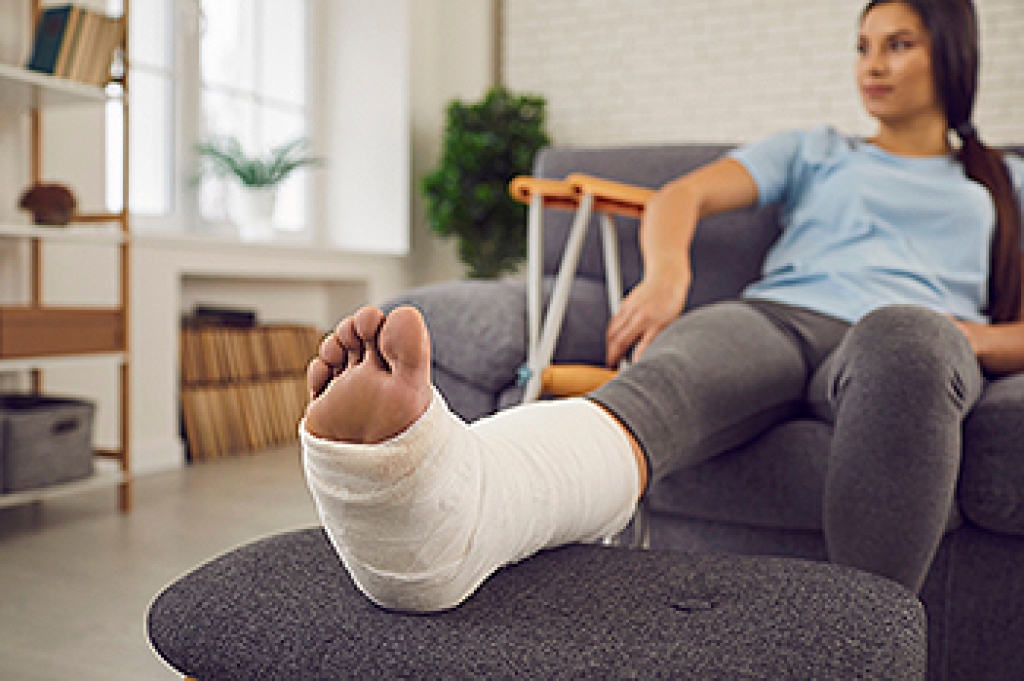
A serious stubbed toe can cause more than brief pain especially when the impact is forceful or awkward. Common causes include running into furniture, sports injuries, or falls. Symptoms may involve sharp pain, swelling, bruising, and difficulty moving the toe. The toe may look red, crooked, or enlarged and it can feel tender or unstable when walking. A podiatrist can help by starting with a careful examination and imaging such as X-rays to determine whether the injury is a sprain or a fracture. Early treatment may include protection taping or immobilization, followed by gradual return to activity. More severe injuries may require specialized care to ensure proper healing and alignment. Ignoring symptoms can delay recovery and increase long-term joint stiffness. If you have a serious stubbed toe that could be broken or sprained, it is suggested that you make an appointment with a podiatrist.
Toe pain can disrupt your daily activities. If you have any concerns, contact one of our podiatrists of North Penn Podiatry. Our doctors can provide the care you need to keep you pain-free and on your feet.
What Causes Toe Pain?
Most severe toe pain is caused due to a sports injury, trauma from dropping something heavy on the toe, or bumping into something rigid. Other problems can develop over time for various reasons.
Toe pain can be caused by one or more ailments. The most common include:
- Trauma
- Sports injury
- Wearing shoes that are too tight
- Arthritis
- Gout
- Corns and calluses
- Hammertoe
- Bunions
- Blisters
- Ingrown toenails
- Sprains
- Fractures (broken bones)
- Dislocations
When to See a Podiatrist
- Severe pain
- Persistent pain that lasts more than a week
- Signs of infection
- Continued swelling
- Pain that prevents walking
Diagnosis
In many cases the cause of toe pain is obvious, but in others, a podiatrist may want to use more advanced methods to determine the problem. These can range from simple visual inspections and sensation tests to X-rays and MRI scans. Prior medical history, family medical history, and any recent physical traumatic events will all be taken into consideration for a proper diagnosis.
Treatment
Treatments for toe pain and injuries vary and may include shoe inserts, padding, taping, medicines, injections, and in some cases, surgery. If you believe that you have broken a toe, please see a podiatrist as soon as possible.
If you have any questions please contact our offices located in Lansdale, and King of Prussia, PA . We offer the newest diagnostic and treatment technologies for all your foot and ankle needs.
Understanding Sever’s Disease in Growing Children

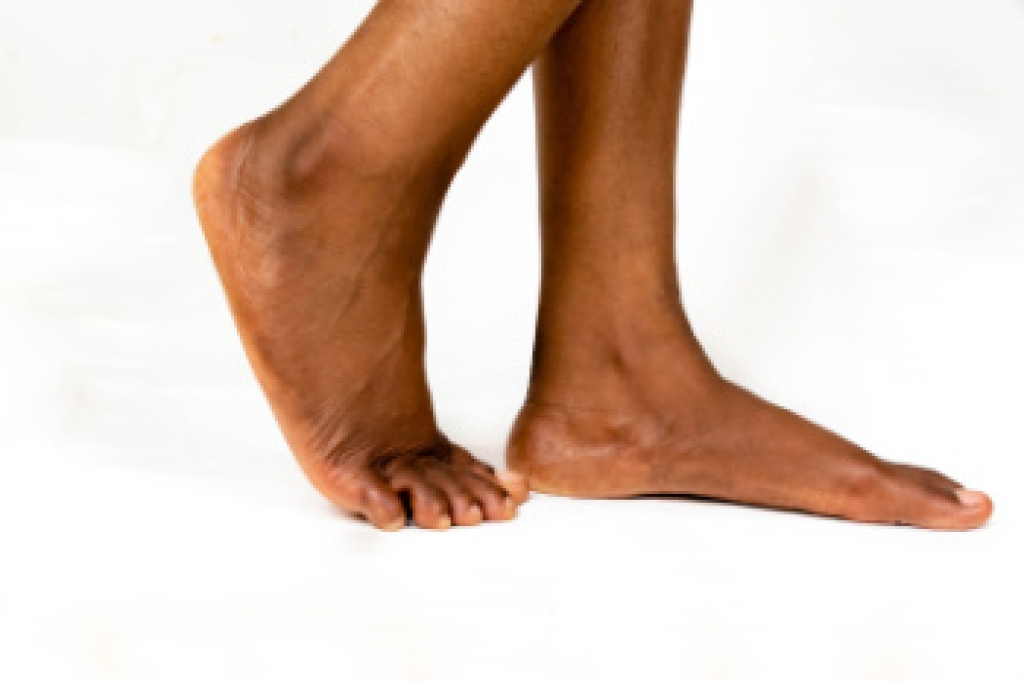
Sever’s disease, a common cause of heel pain in children, occurs when the growth plate at the back of the heel becomes irritated during development. It most often affects active children and adolescents who participate in running and jumping activities. Risk factors include rapid growth, tight calf muscles, flat feet, high arches, and sports that place repeated stress on the heel. Symptoms include heel pain during activity, limping, tenderness when the heel is squeezed, and stiffness after exercise. A podiatrist can evaluate the feet, recommend activity changes, provide heel support, and guide stretching routines that reduce discomfort. If your active child has heel pain, it is suggested that you schedule a visit with a podiatrist who can accurately diagnose and offer relief solutions for Sever’s disease.
Sever's disease often occurs in children and teens. If your child is experiencing foot or ankle pain, see one of our podiatrists from North Penn Podiatry. Our doctors can treat your child’s foot and ankle needs.
Sever’s Disease
Sever’s disease is also known as calcaneal apophysitis, which is a medical condition that causes heel pain I none or both feet. The disease is known to affect children between the ages of 8 and 14.
Sever’s disease occurs when part of the child’s heel known as the growth plate (calcaneal epiphysis) is attached to the Achilles tendon. This area can suffer injury when the muscles and tendons of the growing foot do not keep pace with bone growth. Therefore, the constant pain which one experiences at the back of the heel will make the child unable to put any weight on the heel. The child is then forced to walk on their toes.
Symptoms
Acute pain – Pain associated with Sever’s disease is usually felt in the heel when the child engages in physical activity such as walking, jumping and or running.
Highly active – Children who are very active are among the most susceptible in experiencing Sever’s disease, because of the stress and tension placed on their feet.
If you have any questions, please feel free to contact our offices located in Lansdale, and King of Prussia, PA . We offer the newest diagnostic and treatment technologies for all your foot care needs.