We would like to Welcome Dr. Robert Weber to our practice at 491 Allendale Road, Suite 300, King of Prussia, PA.

Achilles Tendinopathy and Podiatric Relief

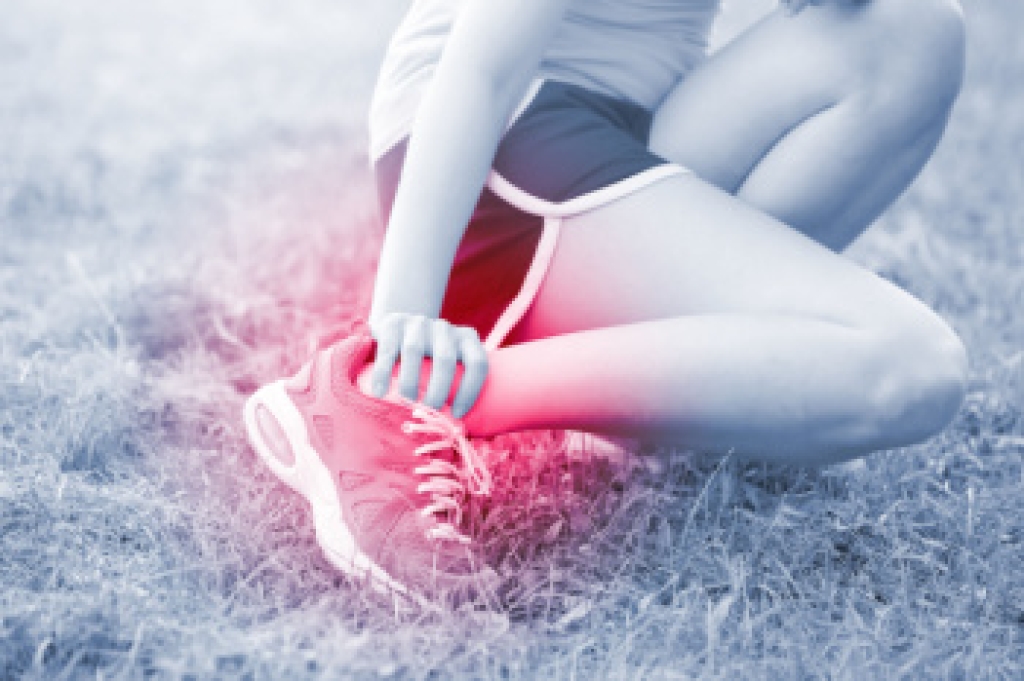
Achilles tendinopathy affects the strongest and largest tendon in the body. The Achilles tendon connects the calf muscles to the heel bone. The problem develops when this tendon becomes irritated or degenerates due to overuse, repetitive strain, or sudden increases in physical activity. Common causes include tight calf muscles, wearing poor footwear, flat feet, and excessive running or jumping. Individuals may experience stiffness, swelling, or pain along the back of the ankle that worsens with activity. A podiatrist can assess the severity of the condition, recommend stretching and strengthening exercises, and provide custom orthotics for support. If you have sustained an Achilles tendon injury, it is suggested that you consult a podiatrist who can offer effective relief and treatment solutions.

Achilles tendon injuries need immediate attention to avoid future complications. If you have any concerns, contact one of our podiatrists of North Penn Podiatry. Our doctors can provide the care you need to keep you pain-free and on your feet.

What Is the Achilles Tendon?

The Achilles tendon is a tendon that connects the lower leg muscles and calf to the heel of the foot. It is the strongest tendon in the human body and is essential for making movement possible. Because this tendon is such an integral part of the body, any injuries to it can create immense difficulties and should immediately be presented to a doctor.

What Are the Symptoms of an Achilles Tendon Injury?

There are various types of injuries that can affect the Achilles tendon. The two most common injuries are Achilles tendinitis and ruptures of the tendon.

Achilles Tendinitis Symptoms

  • Inflammation
  • Dull to severe pain
  • Increased blood flow to the tendon
  • Thickening of the tendon

Rupture Symptoms

  • Extreme pain and swelling in the foot
  • Total immobility

Treatment and Prevention

Achilles tendon injuries are diagnosed by a thorough physical evaluation, which can include an MRI. Treatment involves rest, physical therapy, and in some cases, surgery. However, various preventative measures can be taken to avoid these injuries, such as:

  • Thorough stretching of the tendon before and after exercise
  • Strengthening exercises like calf raises, squats, leg curls, leg extensions, leg raises, lunges, and leg presses

If you have any questions please feel free to contact our offices located in Lansdale, and King of Prussia, PA . We offer the newest diagnostic tools and technology to treat your foot and ankle needs.
Read more about Achilles Tendon Injuries

What Is a Heel Spur?

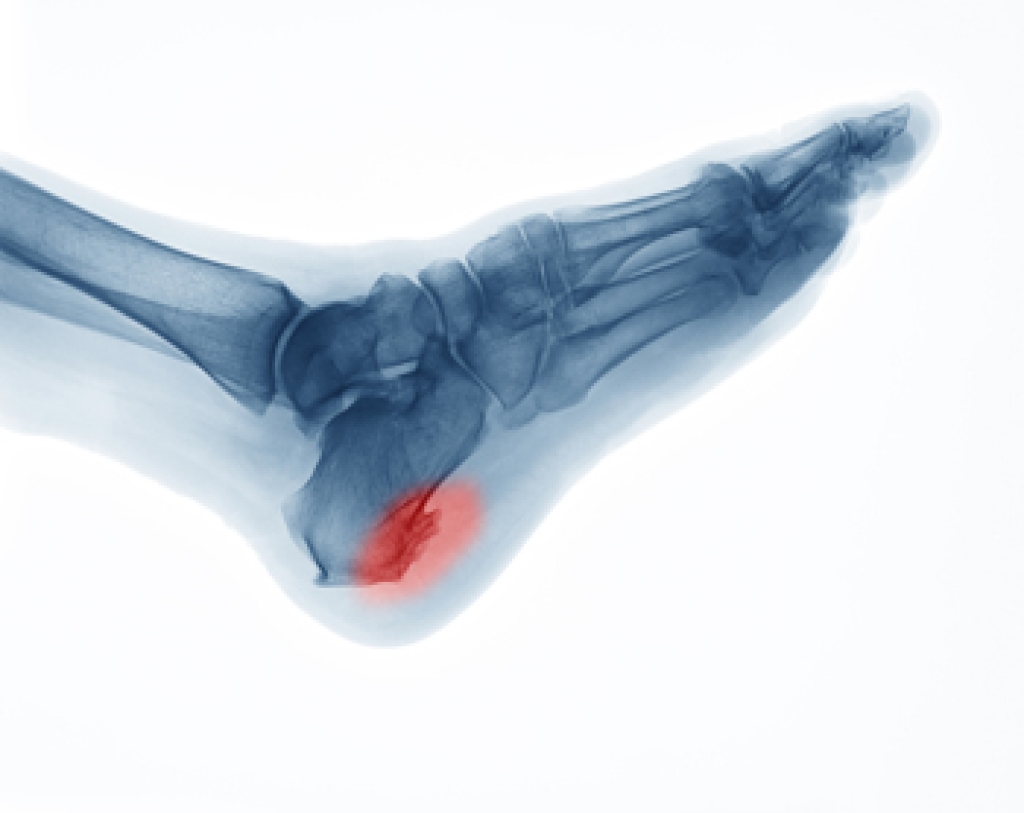
A heel spur is a bony calcium deposit that forms between the heel and the arch of the foot, often causing sharp pain, especially when standing or walking. Bone spurs commonly develop due to repetitive strain on the plantar fascia, which is the ligament that connects the heel to the toes. Risk factors include obesity, flat feet, high arches, poor footwear, and activities that place excessive stress on the feet, such as running or prolonged standing. Symptoms may include heel pain, inflammation, and difficulty walking comfortably. A podiatrist can diagnose heel spurs through examination and imaging, provide custom orthotics, recommend stretching and strengthening exercises, and discuss treatment options to relieve pain and restore mobility. If you have heel pain, it is suggested that you consult a podiatrist who can accurately diagnose what may be going on.

Heel spurs can be incredibly painful and sometimes may make you unable to participate in physical activities. To get medical care for your heel spurs, contact one of our podiatrists from North Penn Podiatry. Our doctors will do everything possible to treat your condition.

Heels Spurs

Heel spurs are formed by calcium deposits on the back of the foot where the heel is. This can also be caused by small fragments of bone breaking off one section of the foot, attaching onto the back of the foot. Heel spurs can also be bone growth on the back of the foot and may grow in the direction of the arch of the foot.

Older individuals usually suffer from heel spurs and pain sometimes intensifies with age. One of the main condition's spurs are related to is plantar fasciitis.

Pain

The pain associated with spurs is often because of weight placed on the feet. When someone is walking, their entire weight is concentrated on the feet. Bone spurs then have the tendency to affect other bones and tissues around the foot. As the pain continues, the feet will become tender and sensitive over time.

Treatments

There are many ways to treat heel spurs. If one is suffering from heel spurs in conjunction with pain, there are several methods for healing. Medication, surgery, and herbal care are some options.

If you have any questions, please feel free to contact our offices located in Lansdale, and King of Prussia, PA . We offer the newest diagnostic and treatment technologies for all your foot care needs.

Read more about Heel Spurs

Relief from Painful Ingrown Toenails

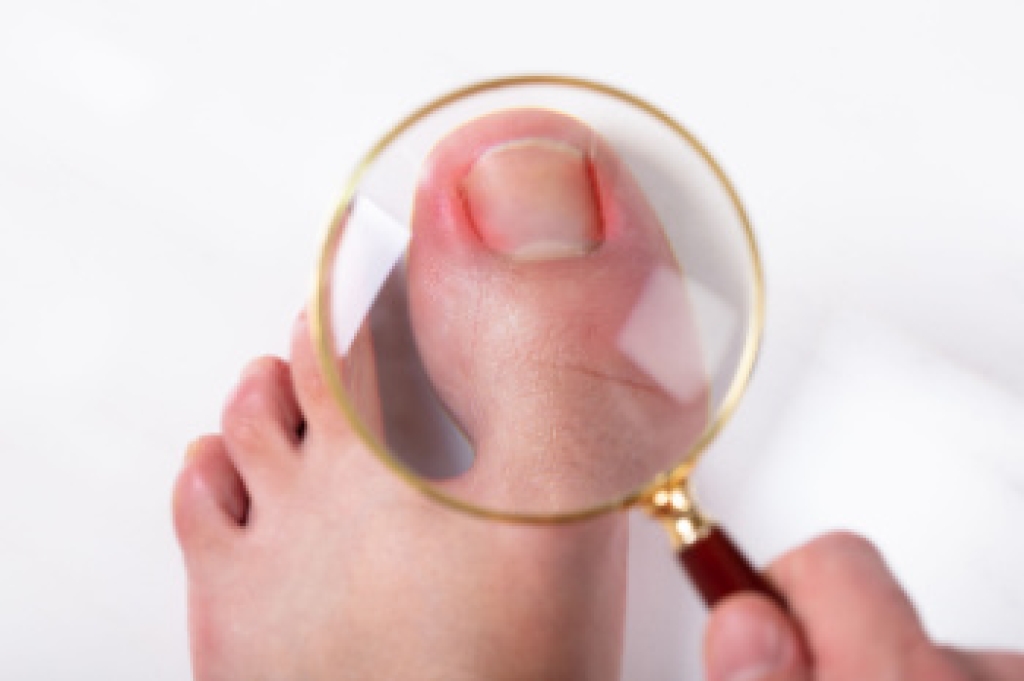
Ingrown toenails occur when the edge of a toenail grows into the surrounding skin, often due to improper trimming, tight footwear, trauma, or inherited nail shape. They may look red, swollen, or curved into the skin. As inflammation increases, the area can become warm and tender. Many people describe a sharp or throbbing pain when walking or even when light pressure touches the toe. In some cases, drainage or infection can develop. The big toe is the most commonly affected because it endures the greatest pressure inside shoes. A podiatrist can start by examining the toe to determine the severity and confirm whether infection is present. Treatments may include gentle removal of the offending nail edge, relief of trapped pressure, guidance on proper nail care, or a minor procedure to prevent the ingrown side from returning. Early care reduces discomfort and supports faster healing. If you notice persistent pain, redness, or swelling around a toenail, it is suggested that you make an appointment with a podiatrist.

Ingrown toenails may initially present themselves as a minor discomfort, but they may progress into an infection in the skin without proper treatment. For more information about ingrown toenails, contact one of our podiatrists of North Penn Podiatry. Our doctors can provide the care you need to keep you pain-free and on your feet.

Ingrown Toenails

Ingrown toenails are caused when the corner or side of a toenail grows into the soft flesh surrounding it. They often result in redness, swelling, pain, and in some cases, infection. This condition typically affects the big toe and may recur if it is not treated properly.

Causes

  • Improper toenail trimming
  • Genetics
  • Improper shoe fitting
  • Injury from pedicures or nail picking
  • Abnormal gait
  • Poor hygiene

You are more likely to develop an ingrown toenail if you are obese, have diabetes, arthritis, or have any fungal infection in your nails. Additionally, people who have foot or toe deformities are at a higher risk of developing an ingrown toenail.

Symptoms

Some symptoms of ingrown toenails are redness, swelling, and pain. In rare cases, there may be a yellowish drainage coming from the nail.

Treatment

Ignoring an ingrown toenail can have serious complications. Infections of the nail border can progress to a deeper soft-tissue infection, which can then turn into a bone infection. You should always speak with your podiatrist if you suspect you have an ingrown toenail, especially if you have diabetes or poor circulation.

If you have any questions, please feel free to contact our offices located in Lansdale, and King of Prussia, PA . We offer the newest diagnostic and treatment technologies for all your foot care needs.

Read more about Ingrown Toenails

Gout Pain Can Be Managed

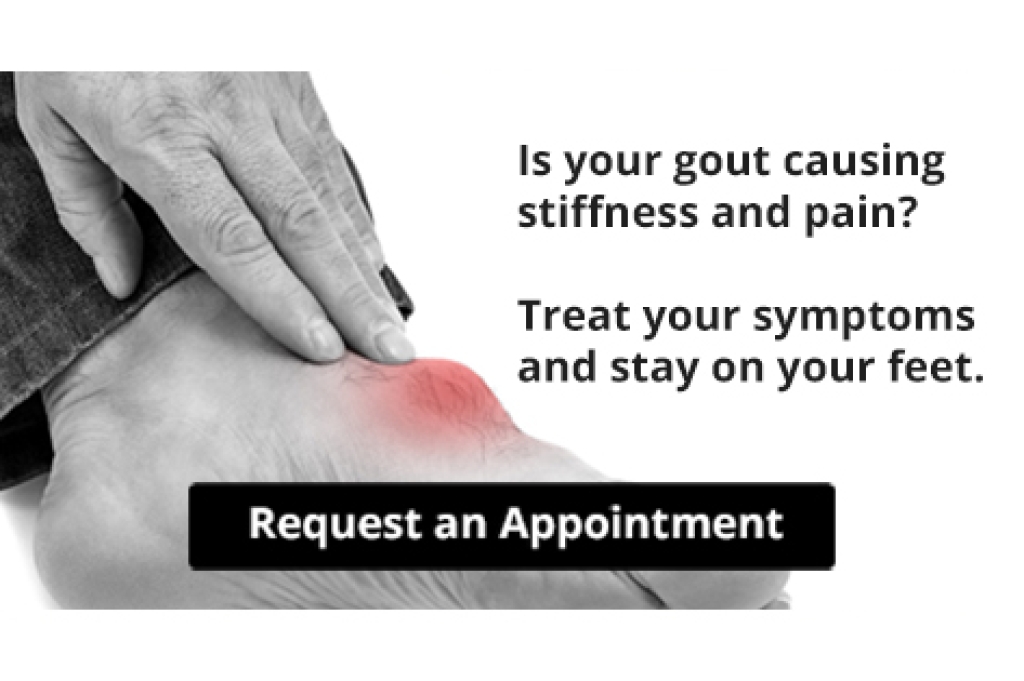
Gout is a painful, inflammatory form of arthritis. Those affected will typically feel an intense stiffness in the joints of their feet, particularly in the big toe. Schedule a visit to learn about how gout can be managed and treated.

Foot Biomechanics in the Elderly

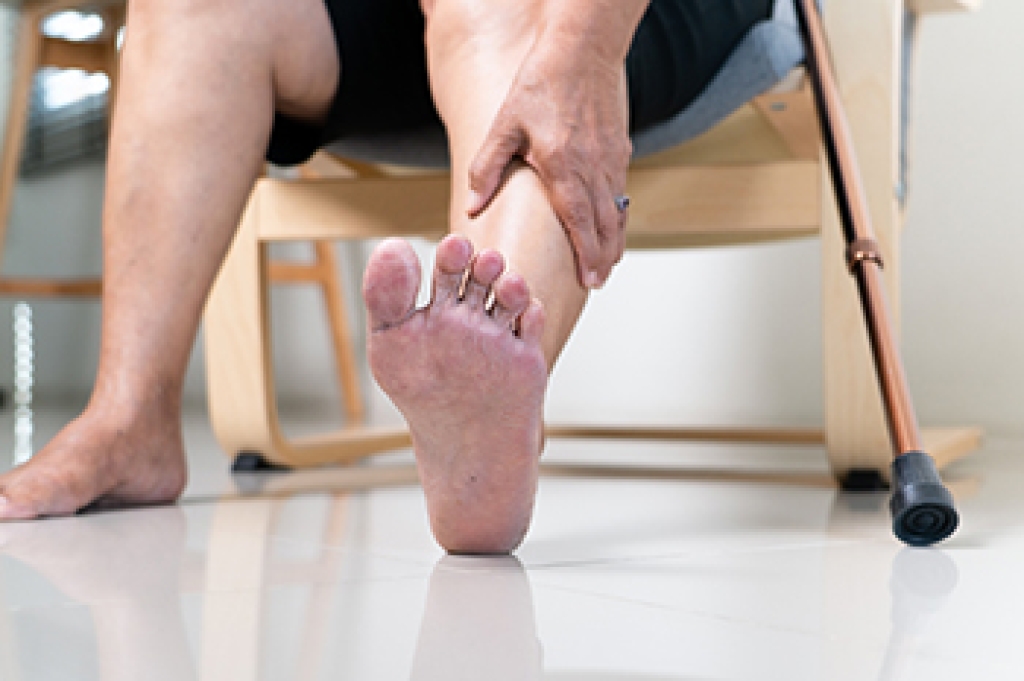
As people age, changes in foot biomechanics can lead to discomfort and reduced mobility. Soft tissue stiffness, decreased range of motion, and decreased strength often contribute to foot pain and difficulty performing weight bearing activities. These changes can impair balance and increase the risk of falls, affecting overall independence and quality of life. A podiatrist can evaluate gait, recommend supportive footwear, provide custom orthotics, and suggest exercises to improve strength and flexibility. If you are a senior and have foot pain, it is suggested that you consult a podiatrist who can treat various foot conditions, and guide you on keeping your feet healthy, strong, and capable of supporting an active lifestyle at any age.

If you have any concerns about your feet, contact one of our podiatrists from North Penn Podiatry. Our doctors can provide the care you need to keep you pain-free and on your feet.

Biomechanics in Podiatry

Podiatric biomechanics is a particular sector of specialty podiatry with licensed practitioners who are trained to diagnose and treat conditions affecting the foot, ankle and lower leg. Biomechanics deals with the forces that act against the body, causing an interference with the biological structures. It focuses on the movement of the ankle, the foot and the forces that interact with them.

A History of Biomechanics

  • Biomechanics dates back to the BC era in Egypt where evidence of professional foot care has been recorded.
  • In 1974, biomechanics gained a higher profile from the studies of Merton Root, who claimed that by changing or controlling the forces between the ankle and the foot, corrections or conditions could be implemented to gain strength and coordination in the area.

Modern technological improvements are based on past theories and therapeutic processes that provide a better understanding of podiatric concepts for biomechanics. Computers can provide accurate information about the forces and patterns of the feet and lower legs.

Understanding biomechanics of the feet can help improve and eliminate pain, stopping further stress to the foot.

If you have any questions please feel free to contact our offices located in Lansdale, and King of Prussia, PA . We offer the newest diagnostic and treatment technologies for all your foot and ankle needs.

Read more about The Importance of Biomechanics in Podiatry

Shoe Time for Babies and Toddlers

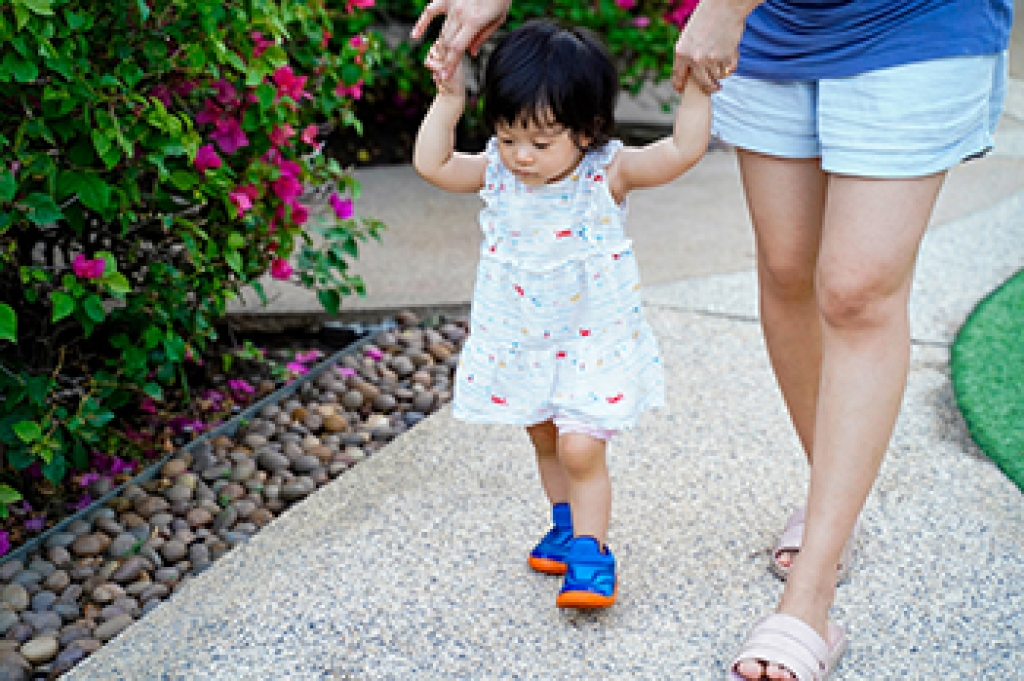
The journey of a child's first steps is a monumental milestone, prompting many parents to wonder when the right time is for those tiny feet to don their first pair of shoes. In the initial stages of crawling and early walking, experts suggest that barefoot is best. This allows little feet to develop naturally, promoting balance and strength. As a child begins to take more confident steps and explores different surfaces, introducing soft-soled shoes provides protection without impeding the foot's natural growth. Typically, at approximately one year of age, when walking becomes steadier, it is an appropriate time to consider the introduction of shoes. Opting for shoes with a proper fit, flexible soles, and breathable materials is vital to support the natural development of the feet. If you have concerns about a more definite time to purchase the first shoes for your child, it is suggested that you consult a podiatrist.

The health of a child’s feet is vital to their overall well-being. If you have any questions regarding foot health, contact one of our podiatrists of North Penn Podiatry. Our doctors can provide the care you need to keep you pain-free and on your feet.

Tips for Keeping Children's Feet Healthy

  • Make sure their shoes fit properly
  • Look for any signs of in-toeing or out-toeing
  • Check to see if they have Clubfoot (condition that affects your child’s foot and ankle, twisting the heel and toes inward) which is one of the most common nonmajor birth defects.
  • Lightly cover your baby’s feet (Tight covers may keep your baby from moving their feet freely, and could prevent normal development)
  • Allow your toddler to go shoeless (Shoes can be restricting for a young child’s foot)
  • Cut toenails straight across to avoid ingrown toenails
  • Keep your child’s foot clean and dry
  • Cover cuts and scrapes. Wash any scratches with soap and water and cover them with a bandage until they’ve healed.

If you have any questions, please feel free to contact our offices located in Lansdale, and King of Prussia, PA . We offer the newest diagnostic and treatment technologies for all your foot care needs.

Read more about How to Care for Your Child's Feet

Noticeable Symptoms of a Toenail Fungus

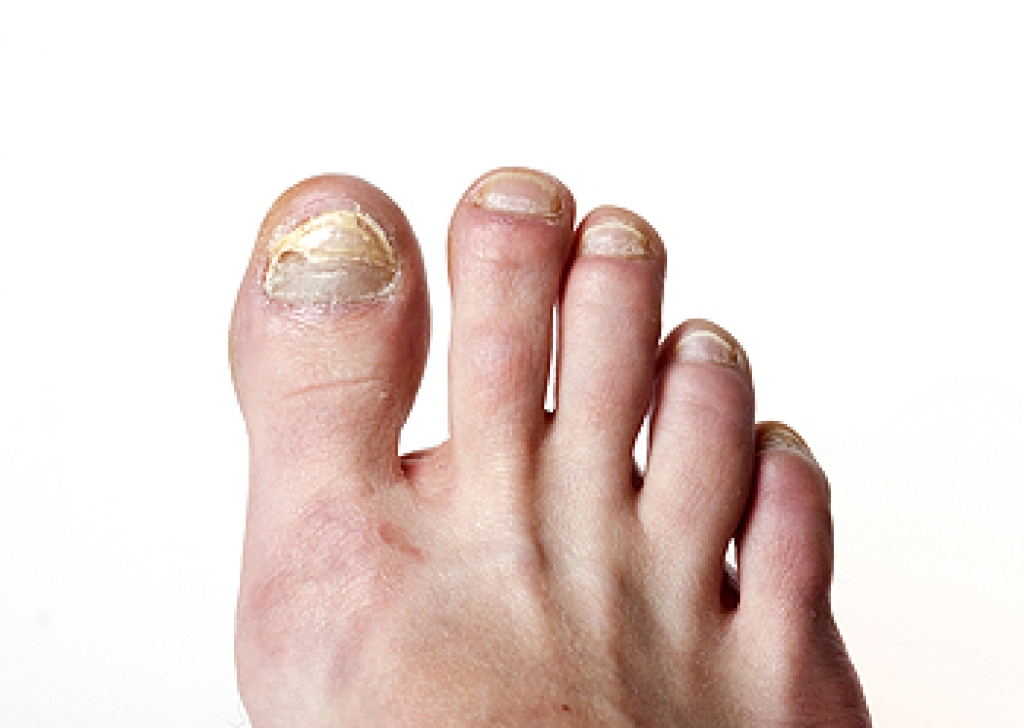
A noticeable sign of an existing toenail fungus is often a discoloration of the nail. It can be accompanied by a thickening of the nail, and it may appear to be brittle. This contagious condition is caused by a fungus that lives in warm and moist environments. These areas can include public pools, shower room floors, and locker rooms. If you frequent these places, it is beneficial to wear appropriate shoes, which may be helpful in preventing toenail fungus. Patients who enjoy getting pedicures must ensure that the tools that are used are clean and sterile. Additional sources of contracting toenail fungus can consist of wearing shoes and socks that prevent ventilation, or medical conditions such as diabetes and weakened immune systems. If you have developed this condition, it is suggested that you seek the counsel of a podiatrist who can guide you toward proper treatment options.

For more information about treatment, contact one of our podiatrists of North Penn Podiatry. Our doctors can provide the care you need to keep you pain-free and on your feet.

Toenail Fungus Treatment

Toenail fungus is a condition that affects many people and can be especially hard to get rid of. Fortunately, there are several methods to go about treating and avoiding it.

Antifungals & Deterrence

Oral antifungal medicine has been shown to be effective in many cases. It is important to consult with a podiatrist to determine the proper regiment for you, or potentially explore other options.

Applying foot powder on the feet and shoes helps keep the feet free of moisture and sweat.

Sandals or open toed shoes – Wearing these will allow air movement and help keep feet dry. They also expose your feet to light, which fungus cannot tolerate. Socks with moisture wicking material also help as well.

If you have any questions please contact our offices located in Lansdale, and King of Prussia, PA . We offer the newest diagnostic and treatment technologies for all your foot and ankle needs.

Read more about Treating Toenail Fungus

Methods That Can Help Prevent Falling

Falling is a common occurrence among seniors that can inhibit completing everyday activities. An effective falls prevention technique is to exercise frequently, as this can help to keep the muscles strong and flexible. Additionally, it is beneficial to install grab bars in the toilet and shower area, and using a bath mat may aid in preventing unnecessary falls as well. Research has indicated it is proactive to get regular physician examinations, where existing medications and eyewear can be checked and updated when necessary. Some patients may have medical conditions that make them more prone to falling, including diabetes, Parkinson’s disease, and certain types of arthritis. If you are over sixty-five years old and would like to learn about how falling can affect the feet, please consult with a podiatrist who can also offer your additional prevention techniques.

Preventing falls among the elderly is very important. If you are older and have fallen or fear that you are prone to falling, consult with one of our podiatrists from North Penn Podiatry. Our doctors will assess your condition and provide you with quality advice and care.

Every 11 seconds, an elderly American is being treated in an emergency room for a fall related injury. Falls are the leading cause of head and hip injuries for those 65 and older. Due to decreases in strength, balance, senses, and lack of awareness, elderly persons are very susceptible to falling. Thankfully, there are a number of things older persons can do to prevent falls.

How to Prevent Falls

Some effective methods that older persons can do to prevent falls include:

  • Enrolling in strength and balance exercise program to increase balance and strength
  • Periodically having your sight and hearing checked
  • Discuss any medications you have with a doctor to see if it increases the risk of falling
  • Clearing the house of falling hazards and installing devices like grab bars and railings
  • Utilizing a walker or cane
  • Wearing shoes that provide good support and cushioning
  • Talking to family members about falling and increasing awareness

Falling can be a traumatic and embarrassing experience for elderly persons; this can make them less willing to leave the house, and less willing to talk to someone about their fears of falling. Doing such things, however, will increase the likelihood of tripping or losing one’s balance. Knowing the causes of falling and how to prevent them is the best way to mitigate the risk of serious injury.  

If you have any questions, please feel free to contact our offices located in Lansdale, and King of Prussia, PA . We offer the newest diagnostic and treatment technologies for all your foot care needs.

Read more about Falls Prevention

The Sudden Sting of Gout

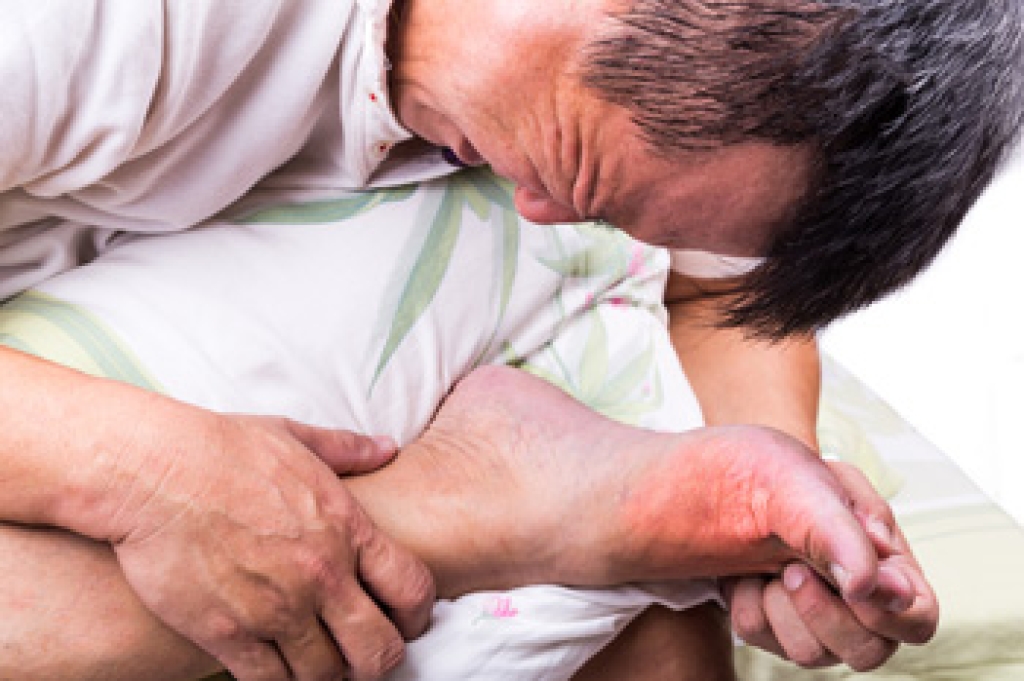
Gout is a form of inflammatory arthritis that often affects the joint at the base of the big toe. It is caused by a buildup of uric acid crystals in the joint, which leads to sudden and intense pain. Symptoms include redness, swelling, warmth, and extreme tenderness in the affected area, sometimes making it difficult to walk or even wear a sock. The pain often starts at night and may feel sharp, throbbing, or burning. Triggers for gout can include a diet high in purines, alcohol consumption, dehydration, certain medications, and underlying health conditions. A podiatrist can help diagnose gout through a physical examination, patient history, and possibly lab tests to measure uric acid levels. Treatment options may involve anti-inflammatory medications, dietary recommendations, lifestyle changes, and long-term management strategies to prevent future flare-ups. If you experience sudden foot pain or suspect gout, it is suggested that you make an appointment with a podiatrist to receive proper care and relief.

Gout is a painful condition that can be treated. If you are seeking treatment, contact one of our podiatrists from North Penn Podiatry. Our doctors will treat your foot and ankle needs.
What Is Gout?

Gout is a form of arthritis that is characterized by sudden, severe attacks of pain, redness, and tenderness in the joints. The condition usually affects the joint at the base of the big toe. A gout attack can occur at any random time, such as the middle of the night while you are asleep.

Symptoms

  • Intense Joint Pain - Usually around the large joint of your big toe, and it most severe within the first four to twelve hours
  • Lingering Discomfort - Joint discomfort may last from a few days to a few weeks
  • Inflammation and Redness -Affected joints may become swollen, tender, warm and red
  • Limited Range of Motion - May experience a decrease in joint mobility

Risk Factors

  • Genetics - If family members have gout, you’re more likely to have it
  • Medications - Diuretic medications can raise uric acid levels
  • Gender/Age - Gout is more common in men until the age of 60. It is believed that estrogen protects women until that point
  • Diet - Eating red meat and shellfish increases your risk
  • Alcohol - Having more than two alcoholic drinks per day increases your risk
  • Obesity - Obese people are at a higher risk for gout

Prior to visiting your podiatrist to receive treatment for gout, there are a few things you should do beforehand. If you have gout you should write down your symptoms--including when they started and how often you experience them, important medical information you may have, and any questions you may have. Writing down these three things will help your podiatrist in assessing your specific situation so that he or she may provide the best route of treatment for you.

If you have any questions, please feel free to contact our offices located in Lansdale, and King of Prussia, PA . We offer the newest diagnostic and treatment technologies for all your foot care needs.

Read more about Gout

Connect With Us